Composting Dog Waste vs Disposal: The Smart 2026 Comparison
Eco-conscious dog owners face a real dilemma. Should you compost your dog’s waste or bag it for the trash? This composting dog waste vs disposal guide weighs the safety, effort, and environmental impact of each option so you can choose with confidence in 2026.
Both methods have loyal fans and legitimate drawbacks. By the end, you will understand which approach fits your yard, your climate, and your comfort level with a little extra maintenance.
Composting Dog Waste vs Disposal: The Core Trade-Offs
Composting appeals to gardeners who want to reduce landfill contributions. Disposal appeals to owners who value speed, simplicity, and guaranteed pathogen containment. Neither is universally correct, since the right choice depends on your priorities.
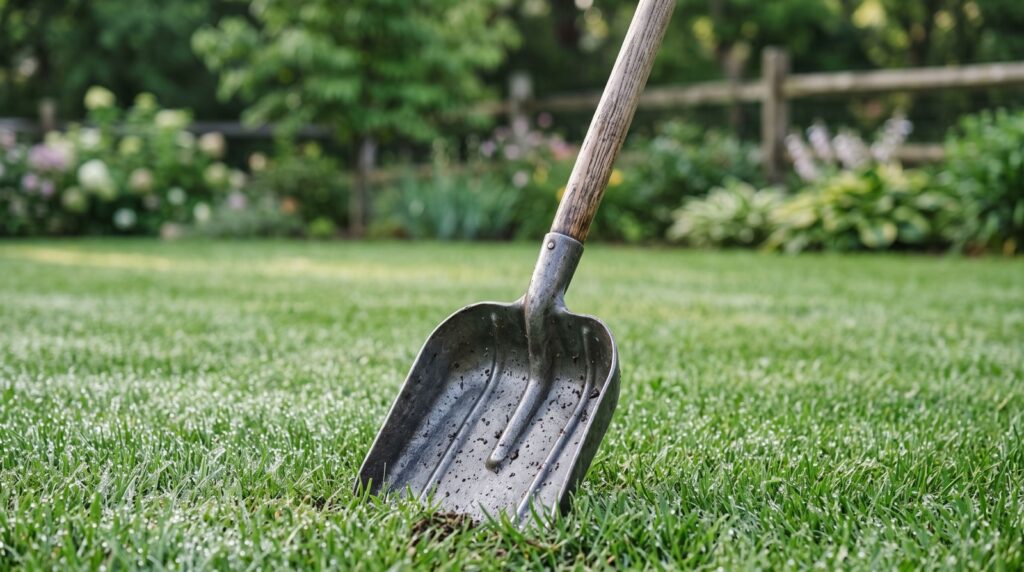
A daily long-handle tool speeds up either path, because you still have to collect the waste first. Many owners standardize on an Arm and Hammer Pooper Scooper to make collection quick before deciding where the waste goes.
How Dog Waste Composting Works
Dedicated pet-waste composters use bacteria and enzymes to break down waste over several weeks. Critically, the finished product should never touch edible plants, since home systems rarely reach temperatures that destroy all pathogens.
How Standard Disposal Works
Disposal means bagging waste and placing it in your regular trash for landfill processing. It is fast, requires no maintenance, and fully removes the material from your property, though it does add to landfill volume.
The Flushing and Digester Alternatives
Beyond composting and trash, some owners explore in-ground pet-waste digesters, which work like mini septic tanks buried in the yard. They break down waste on-site using enzymes and water, keeping it out of the landfill entirely.
Flushing is another option in limited cases, but only where local rules and your plumbing allow it, and never with a bag attached. Both alternatives suit specific situations, yet neither matches the simplicity of bag-and-dispose for the average household.
Which Method Is Better for Your Household?
The best method depends on how much effort you can invest and how you plan to use your yard. The table below lays out the practical differences at a glance.
| Factor | Composting | Bag and Dispose |
|---|---|---|
| Setup effort | Moderate to high | Very low |
| Ongoing maintenance | Regular turning and additives | None |
| Pathogen safety | Requires strict handling | Fully contained |
| Landfill impact | Reduced | Higher |
| Best for | Ornamental beds only | Any yard, any owner |
If you choose disposal, a strong bag keeps the process clean and leak-free. Pairing your scooper with a reliable Pooper scooper and bag bundle makes daily cleanup effortless and hygienic.
Safety Rules for Composting Dog Waste
If composting appeals to you, follow strict rules to keep it safe. Pet waste is not the same as kitchen scraps, and careless composting can spread parasites into your soil.
Stick to these safety guidelines:
- Use a dedicated pet-waste composter, never your food compost.
- Keep the system far from vegetable gardens and edible plants.
- Add the recommended enzyme or septic starter regularly.
- Wear gloves and wash hands after every interaction.
- Only apply finished material to ornamental, non-edible beds.
The United States Environmental Protection Agency notes that improperly managed pet waste contributes to water pollution, so containment matters whichever method you choose.
Watch temperature closely if you compost. Cold climates slow the breakdown process dramatically, sometimes stalling it for months, which means your composter may fill faster than it processes during winter. Plan for extra capacity or a backup disposal method in colder regions.
When Disposal Simply Makes More Sense
- You have young children who play in the yard.
- You grow vegetables or herbs on your property.
- You want zero maintenance and guaranteed safety.
- Your climate is too cold for reliable composting.
- You lack space for a dedicated composting bin.
The Environmental Angle in 2026
Sustainability-minded owners often favor composting to cut landfill waste. That instinct is admirable, but it must be balanced against the very real risk of spreading pathogens if the system is mismanaged.
Disposal remains the safest default, especially for busy households. If you compost, do it carefully and treat the output as non-edible fertilizer only, never as garden-ready soil.
Remember that no single choice makes you an eco-hero or a villain. What matters most is consistent, responsible waste management, whichever method you land on. A carefully composted yard and a diligently bagged one both keep pathogens out of shared water.
Cost and Time Over the Long Run
Consider the full picture before you commit. Composting has a higher upfront cost for the bin and additives, plus ongoing time to maintain it. Disposal spreads a small, steady cost across bags and requires almost no time investment.
Over a year, both methods cost roughly the same for a single dog once you factor in your time. The real deciding factor is whether you enjoy the composting process and have a safe, non-edible place to use the finished material. Be honest about your habits before choosing.
Frequently Asked Questions
Can you compost dog waste safely at home?
Yes, but only in a dedicated pet-waste composter kept away from edible plants. Home systems rarely kill every pathogen, so the finished material should be used only on ornamental beds.
Is composting or disposal better for the environment?
Composting reduces landfill volume, but disposal guarantees pathogen containment. For most households, safe bag-and-dispose is the practical choice, while careful composting suits committed, garden-savvy owners.
Why can’t I add dog waste to my regular compost?
Dog waste carries parasites and bacteria that standard compost piles do not reach hot enough to destroy. Mixing it into food compost risks contaminating soil where you grow edibles.
What is the easiest waste method for busy owners?
Bagging and disposing in the trash is fastest and needs no upkeep. Use a long-handle scooper and durable bags to make daily cleanup quick, clean, and completely maintenance-free.
Conclusion: Choose the Method That Fits Your Life
Composting dog waste vs disposal comes down to your effort tolerance, yard use, and safety priorities. Composting rewards diligent gardeners, while bag-and-dispose offers unbeatable simplicity and containment for everyone else in 2026.
Whichever path you pick, start with fast, clean collection. Explore quality scoopers and bags, or connect with trusted professionals for more sustainable-living tips. Make your choice today and manage dog waste the smart way.