Pairing a smart queue management system in saudi arabia with reliable VoIP phones creates a front desk that runs smoothly on both walk-ins and calls. In 2026, Saudi businesses that connect their waiting-line workflow to modern IP telephony serve customers faster and lose fewer leads.
This article shows how queuing and VoIP work together, which hardware to choose, and how to plan an integrated deployment. Whether you run a clinic, bank branch, or telecom store, these steps will tighten your service operations.
Why Queuing and VoIP Belong Together
Customers rarely arrive through one channel. Some walk in and take a ticket, while others call ahead to book or ask a question. When these two flows share data, no one falls through the cracks.
An integrated setup lets a receptionist see the live queue on screen while handling calls on a desk phone. Appointments booked by phone drop straight into the queue, so arrivals are expected rather than surprising.
The Combined Workflow in Practice
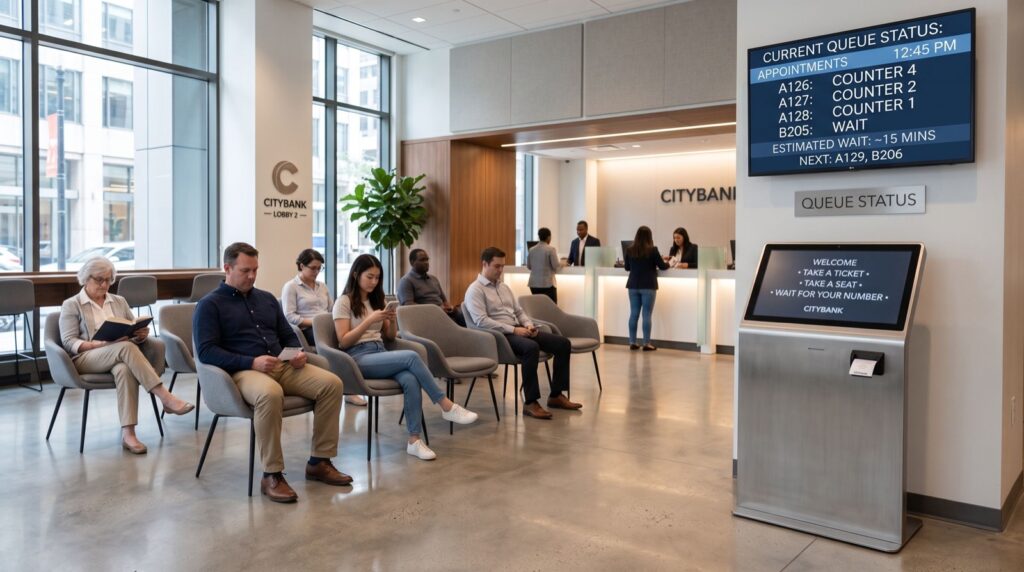
Picture a busy Riyadh service center on a Sunday morning. The pieces below work as one coordinated system.
- Ticket kiosk: Walk-in customers pick a service and join the digital line.
- IP phone at reception: Staff answer calls and add callers to the same queue.
- Shared dashboard: Managers watch wait time and call volume in one view.
- Signage display: Screens announce the next number in Arabic and English.
Choosing the Right VoIP Hardware
Call quality shapes the customer’s first impression, so the phone on the desk matters. Enterprise-grade IP phones deliver clear audio, HD codecs, and rugged reliability for all-day use.
Many Saudi reception and support teams standardize on trusted units like Fanvil IP Phones in Saudi Arabia for their sharp sound, multi-line support, and easy provisioning across branches.
What to Look For in a Business IP Phone
Not every model fits every counter. Match the phone to the role and call load at each position.
- HD voice and echo cancellation: Essential for noisy lobbies.
- Programmable line keys: Speed up transfers to the right counter or department.
- PoE support: Simplifies cabling by powering the phone over Ethernet.
- Headset and Bluetooth ports: Keep hands free during long support calls.
- Central management: Update firmware and settings for many phones at once.
Comparing Integration Levels
You can connect queuing and telephony loosely or deeply. The right depth depends on call volume and how much automation you want. The table below outlines three tiers used across the Kingdom in 2026.
| Integration Level | What It Does | Best For | Setup Effort |
|---|---|---|---|
| Basic | Separate queue and phone systems, manual updates | Small offices | Low |
| Connected | Phone bookings feed the queue automatically | Clinics, retail | Medium |
| Unified | Shared dashboard, callbacks, and SLA alerts | Banks, call centers | High |
Unified deployments often add automated callbacks. If a caller cannot wait, the system rings them back when their virtual turn arrives, which reduces abandoned calls.
Real Impact on Daily Operations
Consider a telecom store in Dammam that once handled walk-ins and phone queries on separate systems. Callers were forgotten during rush hours, and walk-in customers grew impatient while staff juggled the desk phone.
After connecting the queue and VoIP into one dashboard, every caller became a scheduled arrival. Staff greeted customers by name because the booking already sat in the queue, and abandoned calls dropped noticeably within the first month.
How Do You Plan an Integrated Rollout?
A structured plan prevents the common trap of buying hardware before mapping the workflow. Start with the customer journey, then choose technology to support it.
Step-by-Step Deployment
Follow a phased approach so each stage is tested before the next begins.
- Map every arrival path: walk-in, phone, and appointment.
- Size the queue system by counters and peak footfall.
- Select IP phones and confirm SIP compatibility with your PBX.
- Integrate booking and queue data in a pilot branch.
- Train staff on both the ticket terminal and the phone features.
- Review analytics weekly and refine routing rules.
Follow recognized VoIP practices during setup. The IETF SIP standard (RFC 3261) defines how compliant phones and servers communicate, which helps you avoid interoperability surprises between vendors.
A Field-Tested Tip
Place one IP phone at the queue reception during the pilot and log how many phone bookings convert into on-time arrivals. That single metric usually justifies the full integration to management.
Also test your network under load before go-live. Simultaneous calls, ticket updates, and signage refreshes all share bandwidth, so a quick stress test protects call quality once the branch is busy. Reserve dedicated capacity for voice traffic wherever possible.
Avoiding Common Integration Errors
Even good hardware disappoints when the plan overlooks the basics. Steer clear of these frequent mistakes.
- Buying phones that do not match your PBX or SIP trunk provider.
- Leaving phone bookings disconnected from the live queue.
- Skipping headset options for staff who take long calls.
- Ignoring network quality, which causes choppy VoIP audio.
For procurement and configuration, lean on reliable local experts who can align the queue software, network, and phones into one system.
Frequently Asked Questions
Can I add VoIP phones to an existing queue management system?
Yes. Most modern queuing platforms expose APIs or booking links that connect to SIP-based phone systems. A local integrator can bridge the two so phone bookings appear in the same live queue.
Do Fanvil IP phones work with any PBX in Saudi Arabia?
They support the standard SIP protocol, so they work with most on-premise and cloud PBX platforms. Always confirm compatibility with your specific provider before bulk ordering.
Will VoIP audio stay clear during busy hours?
Clear audio depends on network capacity and QoS settings. With proper bandwidth allocation and HD-voice phones, call quality remains stable even during peak footfall and heavy call volume.
How long does an integrated deployment take?
A single-branch pilot connecting queuing and VoIP usually goes live within one to two weeks. Multi-site rollouts are phased over several weeks to keep service uninterrupted.
Conclusion: Serve Every Channel Without Dropping One
Combining a queue management system in Saudi Arabia with dependable VoIP phones lets you handle walk-ins and callers as a single, measurable flow through 2026. Start with a pilot, integrate the data, and equip staff with the right hardware. Contact our team today to design an integrated queuing and telephony setup for your branches.