
Choosing the right storage units in Saudi Arabia starts with one honest question: does your inventory need cold air, or does it simply need a clean, secure, dry room? Getting that answer wrong is expensive. A pallet of dates, a container of pharmaceuticals, or a shipment of electronics each behaves differently when the mercury outside a Riyadh or Dammam warehouse climbs past 45°C. This guide walks you through the temperature logic behind self storage decisions so you can match goods to the correct environment the first time.
Over the past few years I have watched Gulf businesses lose thousands of riyals to a single avoidable mistake: parking heat-sensitive stock in an ambient room to save a few halalas per cubic metre. The savings evaporate the moment product quality does. Let us fix that with a clear framework.
Why Temperature Zoning Matters for Storage Units in Saudi Arabia
Saudi Arabia’s climate is not gentle on stored goods. Coastal humidity in the Eastern Province, dust in the interior, and sustained summer heat combine to accelerate spoilage, corrosion, and packaging degradation. Modern facilities respond with distinct climate zones rather than one generic warehouse.
Think of a well-run facility as three concentric comfort levels. The outer ring keeps goods dry and dust-free. The middle ring holds a steady moderate temperature. The inner ring runs cold. Each zone carries a different cost and serves a different product class.
- Dry rooms protect against moisture, pests, and dust without active refrigeration.
- Ambient rooms hold a controlled, moderate temperature for goods that dislike extremes.
- Chilled rooms maintain low, refrigerated temperatures for perishables and temperature-sensitive stock.
Dry Storage: The Workhorse Zone
Dry storage is the most requested option because so much inventory simply needs to stay clean, secure, and away from water. Documents, textiles, packaged non-perishables, tools, furniture, and most retail overstock thrive here. A professional Dry Storage environment controls humidity and blocks pests, which is often all that heat-tolerant goods require.
The trap is assuming “dry” means “cheap and universal.” It is affordable, yes, but it will not stop chocolate from blooming or medicine from degrading in August. Use it for what it does best: keeping resilient, shelf-stable items in excellent condition.
What belongs in a dry room
- Business archives, records, and paper stock.
- Furniture, fixtures, and seasonal retail displays.
- Packaged dry food with generous temperature tolerance.
- Hardware, spare parts, and industrial consumables.
Chilled Storage: When Cold Is Non-Negotiable
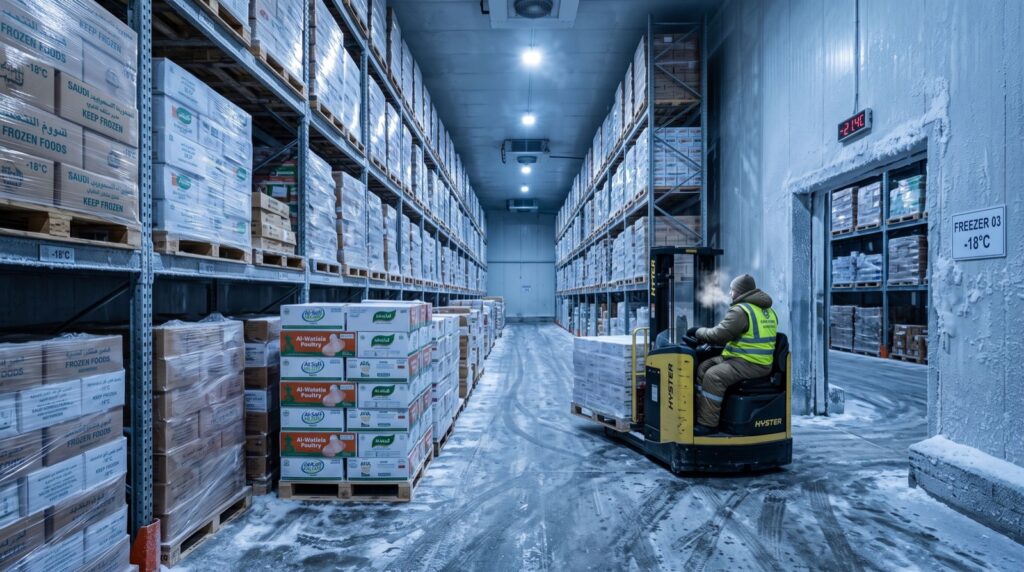
Some products lose value the second they warm up. Fresh produce, dairy, certain cosmetics, and heat-sensitive pharmaceuticals demand refrigeration with monitored, consistent temperatures. Facilities offering Chilled Storage in Dammam give importers and distributors in the Eastern Province a reliable cold link between the port and the shelf.
Cold chain integrity is not optional for regulated categories. The Saudi Food and Drug Authority publishes storage and distribution requirements that many perishable and medicinal goods must meet, so chilled space is a compliance decision as much as a quality one. You can review the regulator’s guidance on the Saudi Food and Drug Authority website.
Comparing the Three Zones
| Zone | Typical goods | Relative cost | Best use case |
|---|---|---|---|
| Dry | Documents, furniture, dry packaged goods | Lowest | Heat-tolerant, moisture-averse stock |
| Ambient | Cosmetics, electronics, wine, chocolate | Medium | Goods needing a stable moderate temperature |
| Chilled | Produce, dairy, pharmaceuticals | Highest | Perishables and cold-chain compliance |
A Simple Decision Framework
Before you sign a storage contract, run each product line through three quick checks. This five-minute exercise has saved my clients from costly mismatches more than once.
- Spoilage risk: Does the item degrade with heat? If yes, rule out dry immediately.
- Regulatory status: Is a fixed temperature legally required? If yes, chilled or ambient with monitoring.
- Handling frequency: How often will you move stock in and out? High turnover favours zones near loading docks.
One original tip from the field: audit your inventory seasonally, not once a year. Goods that sit comfortably in a dry room from December through February may need to shift to a cooler zone before peak summer. Facilities with flexible contracts let you scale between zones as demand and weather change.
Humidity, Dust, and Pests: The Silent Threats
Temperature grabs attention, but humidity, dust, and pests quietly cause just as much loss across Saudi warehouses. In the Eastern Province, salt-laden coastal air corrodes metal fittings and warps cardboard, while inland dust storms coat everything in fine grit that ruins packaging and electronics alike.
A well-managed dry room fights all three at once. Sealed doors and filtered ventilation keep dust out, dehumidification holds moisture in check, and integrated pest control stops insects and rodents from turning your inventory into their pantry. These defences are invisible when they work, which is exactly why cheap storage that lacks them looks fine until the day it fails.
When you tour a facility, run a finger along a shelf and check the corners. Clean surfaces and dry air are the clearest signals that an operator takes the silent threats seriously.
Choosing a Facility You Can Trust
The building matters, but the operator matters more. Look for round-the-clock temperature monitoring, documented security, clear insurance terms, and responsive staff. Working with quality service providers means you get proactive alerts before a chiller drifts out of range, not an apology after your stock spoils.
Ask for references from businesses in your own sector. A provider that already handles food importers, for example, will understand cold-chain paperwork far better than a general warehouse.
Frequently Asked Questions
How do I know if I need dry or chilled storage units in Saudi Arabia?
Match the zone to the product’s heat tolerance. Resilient, moisture-averse goods belong in dry rooms, while anything that spoils or degrades in warmth needs chilled or ambient space with active temperature control.
Is chilled storage worth the higher cost?
For perishables and regulated goods, yes. The premium you pay for refrigeration is far smaller than the loss from spoiled stock, rejected shipments, or compliance penalties tied to broken cold chains.
Can I switch between storage zones later?
Many modern facilities offer flexible contracts that let you move inventory between dry, ambient, and chilled zones as seasons and demand shift. Confirm this flexibility before you commit for the year.
What certifications should a storage provider have in 2026?
Prioritise providers that follow SFDA storage guidance for regulated goods, maintain documented temperature logs, and carry clear insurance coverage. These signal a serious, audit-ready operation.
Final Thoughts
Selecting the right storage units in Saudi Arabia is really an exercise in matching each product to its ideal climate. Send resilient goods to dry rooms, park temperature-sensitive items in ambient space, and reserve chilled rooms for anything that lives or dies by the cold chain. Get the zoning right in 2026 and your inventory arrives on the shelf exactly as it left the supplier, which is the whole point of storing it well.